How to Build an Author Platform: A Beginner’s Guide
AUTHOR BUSINESS
Writing a great book is only part of building a sustainable author career. If you want readers to discover your work, remember your name and come back for future books, you need a way to stay connected with them. That’s where your author platform comes in.
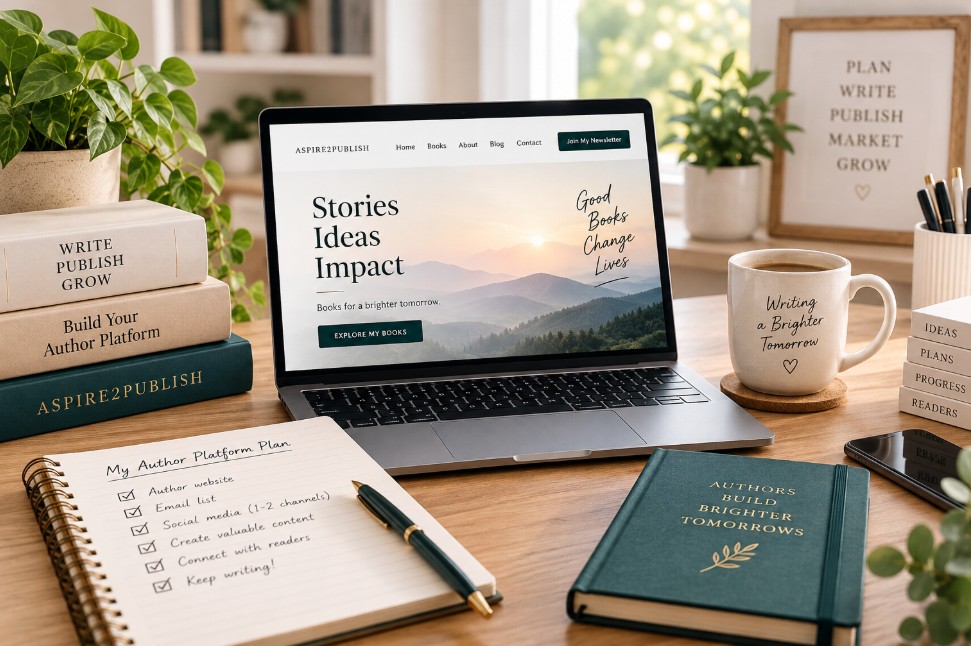
The phrase author platform can sound intimidating.
It can make you think you need thousands of social media followers, a sophisticated website, a podcast, a YouTube channel and an enormous email list before anyone will take your books seriously.
You don’t.
Learning how to build an author platform is really about creating a few reliable ways for the right readers to discover you, learn about your books and stay connected.
And you don’t need to build everything at once.
Here’s where to begin.
What Is an Author Platform?
Your author platform is the collection of channels, relationships and resources that give you access to an audience.
It might include your:
- author website;
- email list;
- social media presence;
- books;
- blog or other content;
- professional network;
- reader community;
- podcast, YouTube channel or other media; and
- relationships with other authors and creators.
Think of it less as a single platform and more as an ecosystem around your author brand.
Some parts help new readers discover you.
Others help turn those people into subscribers or followers.
And others help you maintain that relationship over time.
A strong author platform isn’t necessarily the biggest one.
It’s one that reliably connects you with the readers your books are written for.
How to Build an Author Platform Step by Step
Step 1: Know Who You Want to Reach
Before deciding where to build your platform, decide who you’re building it for.
Ask yourself:
Who is my ideal reader?
What kinds of books do they read?
What are they interested in?
Where do they already spend time online?
For a nonfiction author, your audience might be connected by a particular problem, goal, profession or interest.
For a fiction author, they might be united by genre, tropes, themes or reading preferences.
You don’t need to know everything about your ideal reader.
But knowing who you’re trying to reach makes every decision that follows easier.
Step 2: Establish Your Author Brand
Your author brand is the impression readers develop about you and your work.
It isn’t simply your logo or colour palette.
It includes your:
- author name or pen name;
- genres or subjects;
- visual identity;
- tone of voice;
- values;
- areas of expertise or interest; and
- overall reader experience.
Consistency helps readers recognise you.
That doesn’t mean everything you create needs to look identical.
It simply means your website, emails, books and other channels should feel as though they belong to the same author.
Step 3: Create Your Author Website
Social media platforms can be useful, but your website gives your author platform a permanent home.
A simple author website might include:
Home
A clear introduction to you and your books.
Books
Information about your published and upcoming titles.
About
Your author bio and story.
Resources or Blog
Useful content if it suits your author strategy.
Email Signup
A way for interested readers to stay connected.
Contact
A simple method for appropriate enquiries.
Your first website doesn’t need dozens of pages.
Start with the essentials and expand it as your author business grows.
Step 4: Start Building an Email List
An email list can become one of the most valuable parts of your author platform.
Unlike a social media audience, email gives you a more direct way to communicate with people who have actively chosen to hear from you.
You might invite readers to subscribe for:
- book updates;
- useful articles;
- behind-the-scenes content;
- new release announcements;
- bonus chapters or stories;
- worksheets or resources;
- giveaways; or
- another reader magnet.
The goal isn’t simply to collect email addresses.
It’s to build a relationship.
Send emails that give readers a reason to continue opening them.
Step 5: Choose Your Social Media Channels Deliberately
You do not need to be everywhere.
Instagram, TikTok, Facebook, Pinterest, YouTube, LinkedIn and other platforms can all play a role in an author platform.
But maintaining six neglected accounts is unlikely to be more useful than consistently using one or two.
Choose channels based on:
Where your readers spend time.
What type of content you enjoy creating.
What you can realistically maintain.
A nonfiction business author might find LinkedIn particularly useful.
A visually oriented author or publisher might build around Pinterest.
Another author may enjoy creating short-form video.
The right channel is the one that connects you with relevant readers and that you can sustain.
Step 6: Give People a Reason to Follow You
Constantly posting “buy my book” isn’t much of a platform strategy.
Think about what someone gains from staying connected with you between book launches.
For a fiction author, that might include:
- character content;
- reading recommendations;
- behind-the-scenes writing updates;
- excerpts;
- bonus stories; or
- conversations about the genre.
For a nonfiction author, it might include:
- practical advice;
- useful resources;
- insights;
- tutorials;
- research;
- templates; or
- answers to common questions.
Your books can remain at the centre of your platform without every piece of content being a sales pitch.
Step 7: Create Content You Can Sustain
Building an author platform takes time.
That’s why sustainability matters more than trying to publish everywhere constantly.
You might decide to:
- publish one useful blog post each month;
- send one email each week;
- create several Pinterest pins from each article;
- post on one social platform several times a week; or
- publish one longer video each month.
There is no universal publishing schedule you have to follow.
Choose something realistic.
Consistency over time is more valuable than an ambitious content schedule you abandon after a month.
You can also repurpose content.
One useful article might become an email, several social posts, Pinterest pins and talking points for a video.
You don’t always need to start from scratch.
Step 8: Build Relationships, Not Just Followers
Your author platform isn’t only about audience numbers.
Relationships matter too.
Connect with:
- other authors;
- bloggers;
- reviewers;
- podcasters;
- newsletter creators;
- industry professionals; and
- people serving similar audiences.
Look for opportunities to genuinely contribute rather than immediately asking people to promote your book.
You might share someone’s work, participate in a discussion, collaborate on useful content or introduce your audience to another creator.
Over time, those relationships can create opportunities neither of you could have produced alone.
Step 9: Make It Easy for Readers to Find Your Books
Your platform should eventually lead interested people toward your books.
That sounds obvious, but authors sometimes create content for months while making their books surprisingly difficult to find.
Your website should clearly show what you’ve written and where readers can buy it.
Your author bio can point people toward your website.
Your emails can naturally mention relevant books.
Your social profiles can link to an appropriate destination.
Don’t make readers hunt for the next step.
Step 10: Focus on the Platform You Own
There is an important distinction between building an audience and owning access to that audience.
A large social media following can be valuable.
But social platforms control their algorithms, features and reach.
That’s why your author website and email list can play such an important role.
Social media can help people discover you.
Your website gives them somewhere to go.
Your email list gives interested readers a way to stay connected.
Think of social platforms as useful channels feeding into a larger author ecosystem rather than the entire business itself.
Do You Need an Author Platform Before Publishing Your First Book?
No.
Don’t let platform building become another reason to postpone finishing your book.
You can begin building your author platform while you’re writing, editing or preparing for publication.
Even a simple foundation can be useful:
One website.
One email signup.
One primary discovery channel.
That’s enough to begin.
You can add more as your books, audience and author business grow.
Common Author Platform Mistakes
One of the biggest mistakes new authors make is trying to build everything simultaneously.
Other common mistakes include:
- trying to use every social media platform;
- focusing entirely on follower numbers;
- constantly promoting your books;
- creating content without knowing who it’s for;
- neglecting your email list;
- building entirely on platforms you don’t control;
- changing branding constantly;
- posting intensely for several weeks and then disappearing;
- comparing a new platform with established authors’ audiences; and
- spending so much time marketing that you stop writing books.
Your platform should support your writing career — not consume it.
Your Beginner Author Platform Checklist
If you’re starting from scratch, focus on the fundamentals:
✓ Define your ideal reader
✓ Choose your author or pen name
✓ Establish basic author branding
✓ Create an author website
✓ Add a clear Books page
✓ Create an About page
✓ Set up an email signup form
✓ Decide what subscribers will receive
✓ Choose one primary discovery channel
✓ Create a sustainable content schedule
✓ Make your books easy to find
✓ Connect your channels together
✓ Begin building relationships
✓ Review what is working periodically
You don’t need to complete everything this week.
Build the foundation first.
Then improve it over time.
Build an Author Platform That Supports Your Books
Learning how to build an author platform isn’t about becoming an influencer.
It’s about creating a connection between your books and the people most likely to appreciate them.
Start small.
Create somewhere readers can find you.
Give them a reason to stay.
Build direct connections where possible.
And keep writing.
Over time, each book, subscriber, useful piece of content and reader relationship can strengthen the platform supporting your author career.
Ready to Build Your Author Platform?
You don’t need a huge audience to begin building an author business.
Start with a simple foundation — your website, email list and one sustainable way for new readers to discover you — and expand from there.
Explore more Author Business resources from Aspire2Publish for practical guidance on author websites, pen names, productivity, outsourcing, AI, automation, branding and email lists.
Explore Author Business Resources →
Continue Your Author Journey
Book Publishing
Learn how to take your finished manuscript through the publishing process.
Book Marketing
Learn practical strategies for helping more readers discover your books.